
What will luxury mean in Cape Town ten years from now? Alison McKie, General Manager of the Radisson Collection Hotel, Waterfront Cape Town, says she doesn't know. And she thinks the most honest approach in hospitality right now is simply staying curious.
"Every few years our industry announces what the future luxury traveller wants, and most of the time we're just describing the guest we already have," says McKie, who holds an MPhil in Futures Studies from Stellenbosch Business School. "I'd rather look at what we can actually see changing now and ask what it might grow into. Some of it will fade. Some of it will surprise us."
These are the signals she's watching this summer, and the questions they raise for her.
Time is becoming the scarce thing. McKie says she is seeing some affluent guests book later and stay longer. "Nobody's short of beautiful hotels. What people are short of is time that feels like their own. If that keeps going, the hotels that win might be the ones that give time back, not the ones that fill it."
Human attention could become the premium. Hotels are handing more bookings and background work to technology and AI. McKie wonders whether a real person's full attention becomes the thing guests pay for. "Or it goes the other way, and people just want no friction and nobody hovering. I honestly don't know. I run a hotel, so I'm biased toward believing people matter. I try to keep that in view."
Wellness is moving from pampering to recovery. Guests on longer stays are asking for more than a treatment menu. They want to go home feeling different.
The long haul question. Cape Town's growth rests on a handful of source markets and very long flights. "We depend on people flying half a day to get here. Fuel prices, airline seats, how guests feel about their carbon footprint, any one of those could change who comes and how often. I'd be lying if I said we'd worked that out."
The numbers behind the moment
Cape Town Tourism’s 2025 Economic Value of Tourism report shows the city generated R24.5 billion in direct tourism spend from 1.44 million foreign and 1.42 million domestic overnight visitors. International visitors spent R19 billion, at an average of R1,390 a day. The United Kingdom, United States and Germany were the three leading international source markets.
What the hotel is trying now
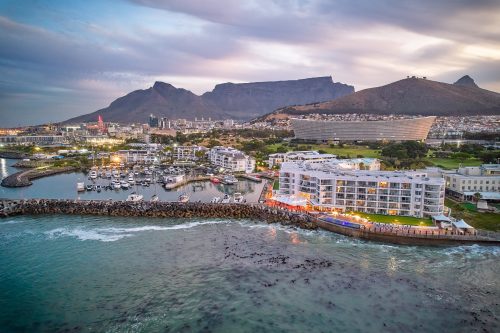
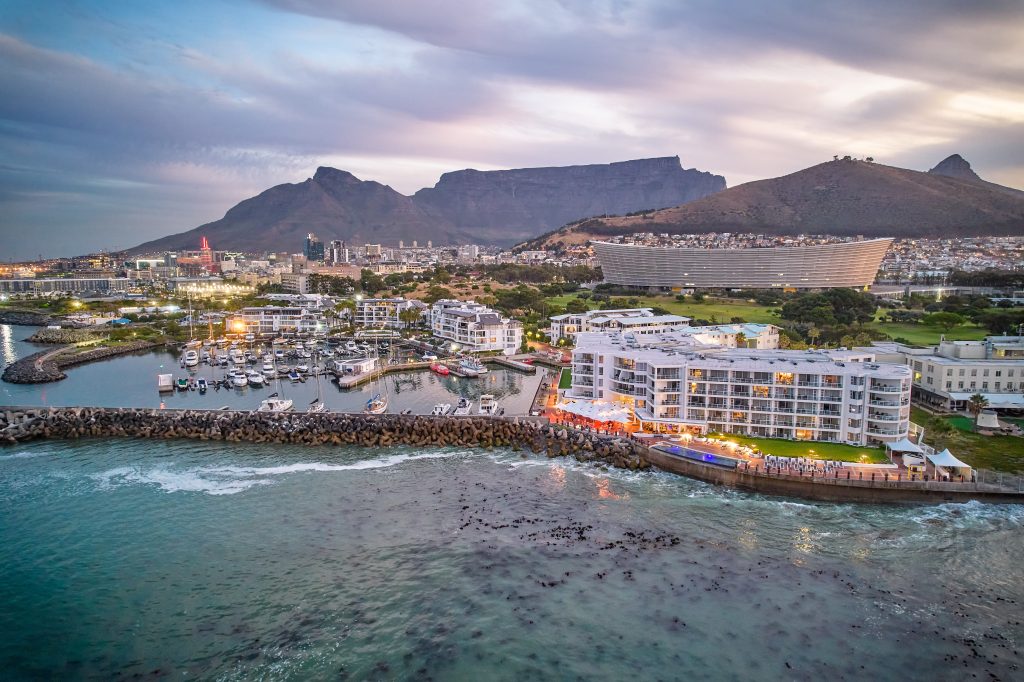
McKie describes the hotel's summer programme as a journey of discovery rather than a finished answer. The hotel sits on the edge of the Atlantic, away from the bustle of the city centre, where sea views, long sunsets and passing dolphins are often part of the day.
The Sundowner Ritual. Every evening, guests are invited onto the oceanfront deck to stop and watch the sun go down. "People come back from the mountain or the winelands still running," says Jonathan Wakefield, Assistant Food & Beverage Manager. "The sundowner gives them a reason to stop. Sit down, have a drink, watch the light change. Strength lies not in complexity, but in authenticity.”
Wellness outdoors. Rather than leaning only on the spa, the hotel uses what's outside its doors. "When someone stays nine or ten nights, a massage on day two isn't really the point," says McKie. "So we use the sea air, walks along the shoreline, kayaking when the dolphins are around and food that's light and seasonal. We're still learning what guests actually use and what just sounds good in a brochure."
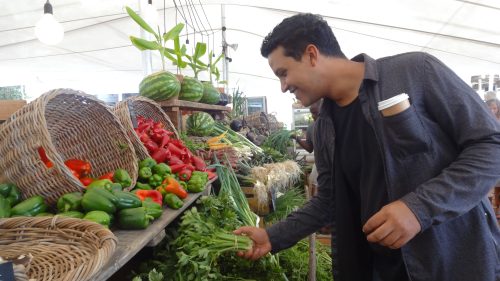
Local dining. At Fire & Tide, lunch is built around seasonal South African produce and fresh seafood. "People want to know where their food comes from," says Executive Chef Grant Cullingworth. "If we can tell you where the fish came from and who grew the vegetables, then the story on the plate becomes just as important as the food itself.”
The festive season. From Christmas dinner to New Year's Eve on the water, the summer programme is about bringing people together in a relaxed setting.
"I don't think the future of luxury gets worked out in a boardroom. It gets worked out in conversations," says McKie. "So this summer I want us to stay curious. By 2030 we might be asking whether the rarest thing a traveller can find is a real conversation with a stranger. If people keep living through screens, maybe our job is to introduce them. Guest to guest, guest to the city, guest to the people who work here. For now, curiosity starts with asking guests what they noticed, what surprised them, what they'd change. Some of the best ideas we've had came from someone on the deck at sunset telling us something we hadn't thought of. If we keep listening and keep connecting, with our guests, our team and this city, we'll see the shifts coming sooner than any report will show us."
Photo supplied by Radisson Collection Hotel, Waterfront Cape Town.