
Ke Dezemba is already in the air, and South Africans are gearing up for everything that makes summer special. From beach days and family braais to outdoor adventures, local markets and festive gatherings, the holiday season is a time to unwind, reconnect and enjoy the best of what our beautiful country has to offer.
But as we embrace the summer spirit, it's worth remembering that many of the things we love about this season depend on a healthy natural environment. The good news is that enjoying summer and looking after the planet can go hand in hand, with a few simple choices helping to reduce our environmental footprint.
Here are seven simple ways to enjoy a greener summer.
1. Go easy on the accelerator
With petrol prices taking a bite out of holiday budgets, how you drive can make a difference to both your wallet and the environment. Accelerating gently, maintaining a steady speed and avoiding unnecessary braking can help reduce fuel consumption. And because burning petrol and diesel releases carbon dioxide into the atmosphere, using less fuel also means producing fewer emissions. It's a simple way to make those summer road trips a little more economical and environmentally friendly.
2. Park once and explore
Summer is the perfect time to get outdoors and explore local neighbourhoods, markets and attractions on foot. From Cape Town's First Thursdays and Joburg's bustling art precincts to Durban's beachfront promenade, there are plenty of places best experienced at a slower pace. Where it's safe and practical, leave the car parked and discover more of what your surroundings have to offer. Walking between destinations reduces unnecessary short car trips and gives you a chance to appreciate the places around you.
3. Choose sustainable seafood
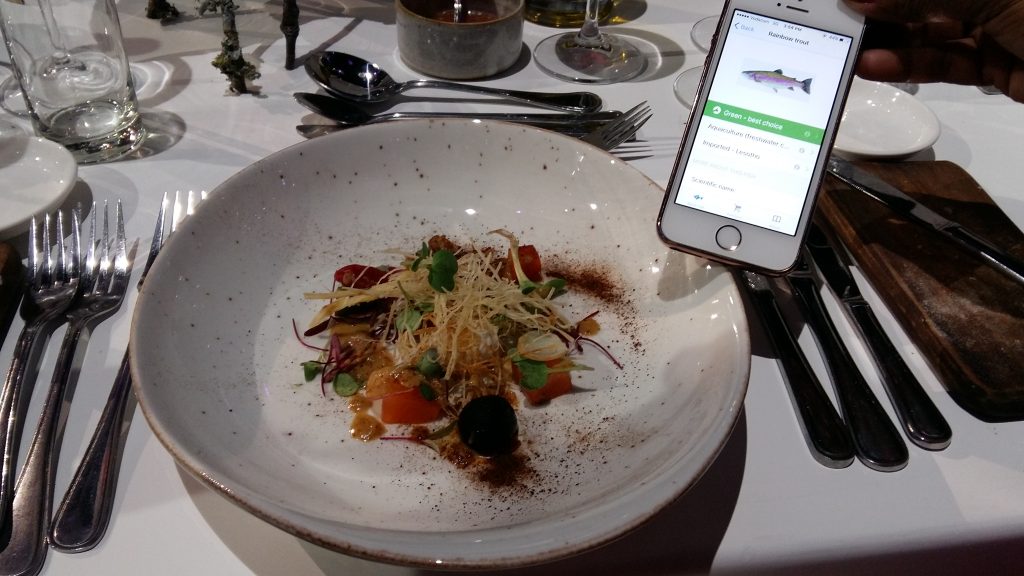
Summer holidays are synonymous with seafood on the menu, whether it's a family lunch, a seaside restaurant or a holiday braai. Before ordering or buying seafood, be sure to check that it’s sustainably sourced. You can do this by checking on the WWF Southern African Sustainable Seafood Initiative app, which uses a traffic-light system to guide consumers towards better choices.
If it’s on the green list, that’s your best choice. Orange means “think twice”, and red means you should avoid. Checking the list before making your choice is a simple way to help protect our oceans and marine resources for future generations.
4. Reuse, refill and reduce waste
From beach picnics to family gatherings and outdoor adventures, summer activities can generate plenty of unnecessary packaging and single-use waste. Packing reusable water bottles, shopping bags, food containers and cups is an easy way to cut down on what gets thrown away.
When eating out or shopping, choose refillable or reusable options wherever possible. Small changes to everyday habits can help reduce waste and keep our beaches, parks and natural spaces cleaner.
5. Buying local is lekker
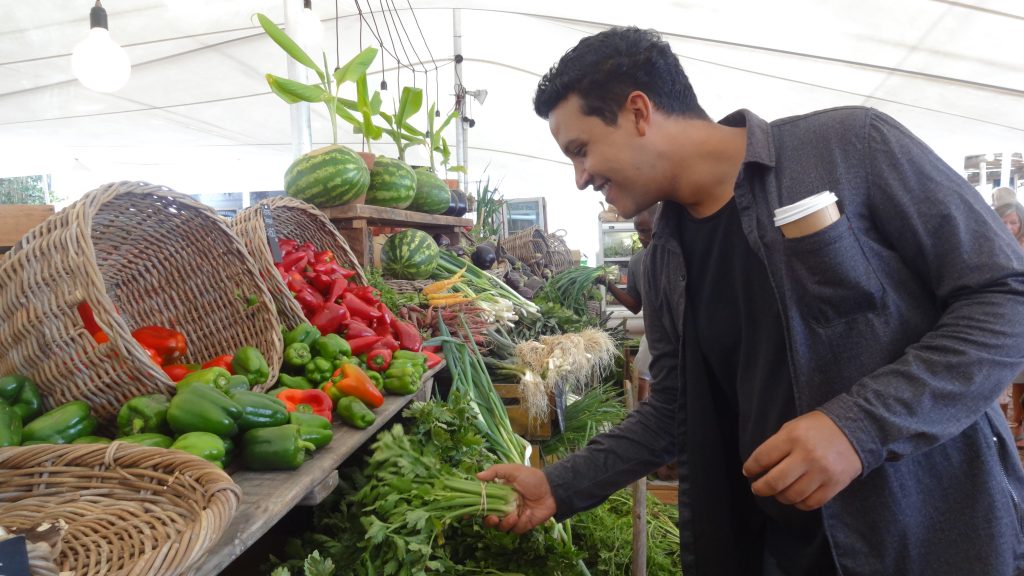
South Africa's summer markets are filled with local growers, food producers, artisans and small businesses offering everything from fresh seasonal produce to handmade gifts. Choosing locally produced, seasonal goods can support local livelihoods and encourage more conscious consumption.
Whether you're stocking up for a family braai, shopping for festive gifts or exploring a weekend farmers' market, take the opportunity to find out where your purchases come from and how they're made.
6. Give your summer wardrobe a second life
A new season doesn't have to mean a whole new wardrobe. Buying second-hand, swapping clothes with friends or giving existing favourites another outing are all ways to reduce the demand for newly manufactured clothing.
Extending the life of garments can make a meaningful difference.
Explore local vintage stores, charity shops and clothing rental services for summer outfits that are kinder to your wallet and the environment.
7. Enjoy your food, waste less
Summer is a season for sharing good food, from family lunches and holiday braais to picnics and festive feasts. But planning portions and making the most of leftovers can help reduce unnecessary food waste.
In South Africa, roughly a third of the food produced never gets eaten, while food loss and waste account for an estimated 8% to 10% of global greenhouse gas emissions.
Plan meals around the number of guests, serve manageable portions and store leftovers safely for another meal. Being mindful of what we buy, prepare and consume is one of the simplest ways to reduce our impact on the planet.
Small choices can make a meaningful difference
“Nobody should feel bad about making the most of the summer holidays, but it's worth remembering that so much of what we enjoy comes from nature,” says Pedzi Gozo, Head of Strategic Communications at WWF South Africa.
She continues, “Nature is our home, from the food we share to the beaches we enjoy, and the beautiful outdoor spaces where we spend our holidays. Looking after our shared home doesn't mean giving up the things we love. It simply means being more mindful of how we go about our everyday lives. Small actions can help reduce emissions, protect natural resources and support healthier ecosystems, and together they can make a meaningful difference.”
“We'd love to see more South Africans move from awareness to action. Everyone has a role to play in protecting our shared home, and making just one or two more environmentally conscious choices this summer is a great place to start,” Gozo concludes.
Photo credit: Natasha Prince, supplied by WWF South Africa.