
Nature has sprung a delightful surprise at Vergelegen, the Somerset West wine estate renowned for its magnificent gardens.
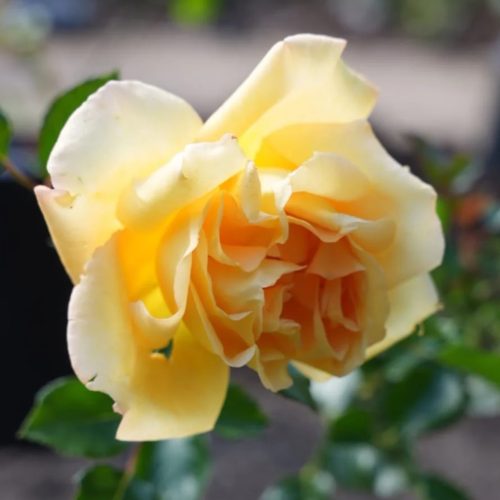
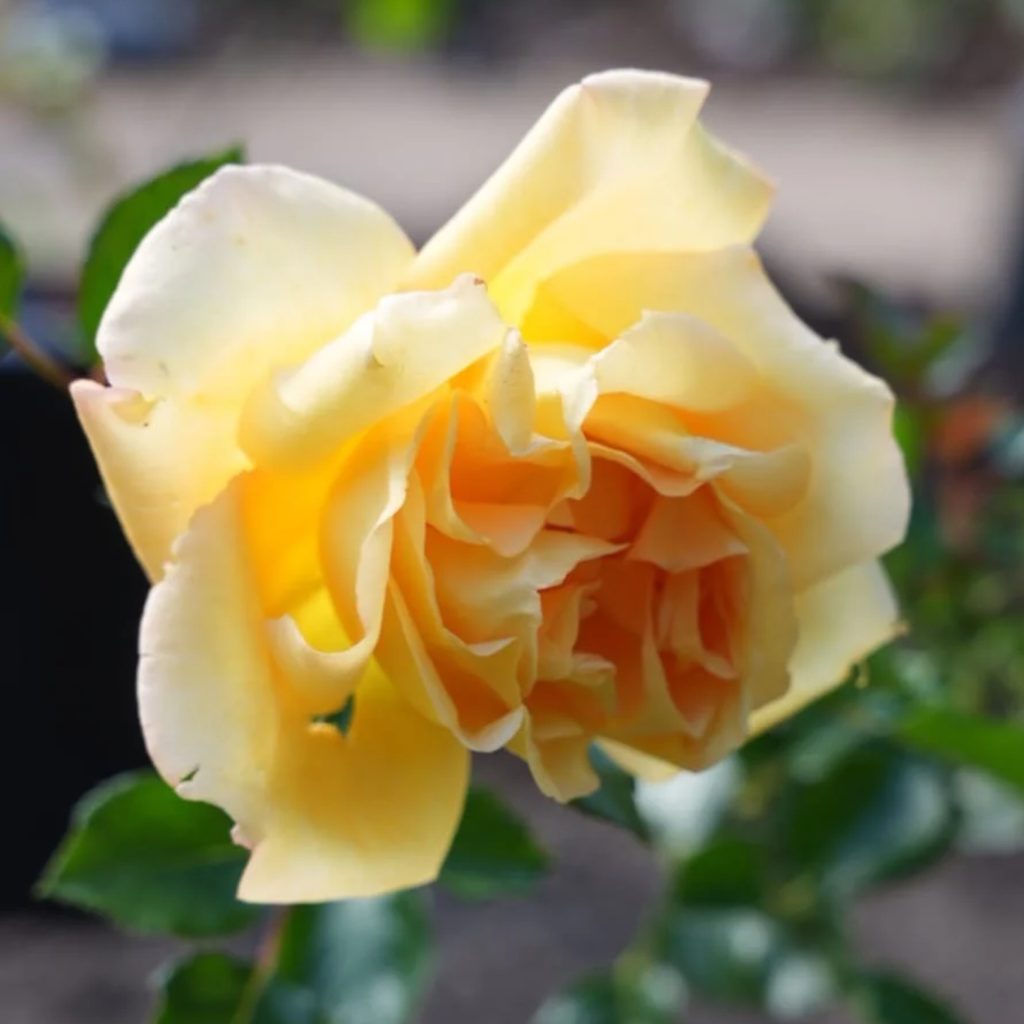
The estate’s horticultural team has discovered an exquisite butter-yellow rose that emerged through a spontaneous mutation of an existing rose bush, a bi-coloured variety with orange-yellow blooms named McHardy, growing in the estate’s formal rose garden.
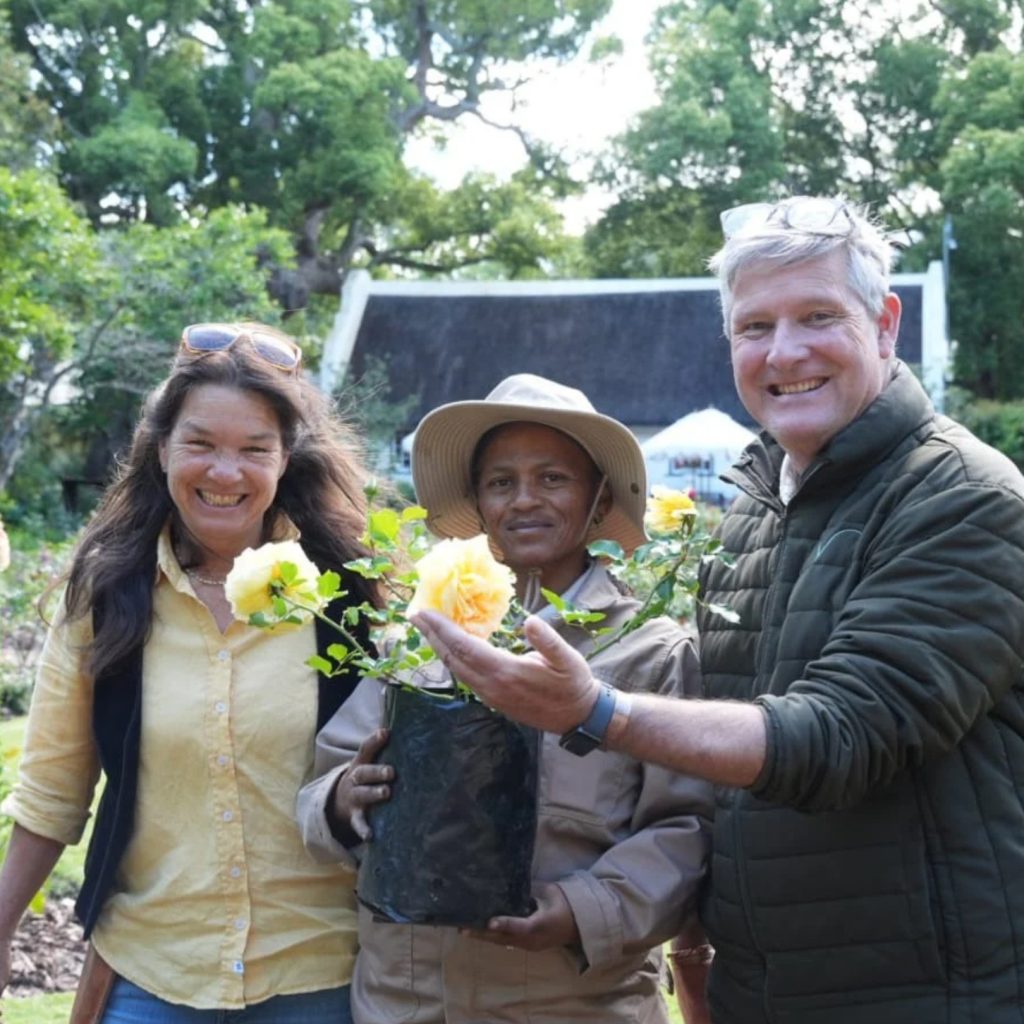
The Vergelegen rose has since been propagated by premier rose nursery Ludwig’s Roses in Pretoria. The first delivery of brand-new bushes has been planted in the estate’s formal rose garden.
Ludwig’s Roses founder Ludwig Taschner says, “Suddenly, one stem of the McHardy unexpectedly sprouted with the same large, fully petalled blooms, but in a butter-yellow colour with a slight scent.”
This new, “incredibly vigorous” Vergelegen rose grows into a densely branched shrub-like specimen, to shoulder height, clothed with hardy green foliage and producing flowering stems all over, says Taschner.
The flower buds are full and urn-shaped, and the narrow petals slowly unfold into huge, densely petalled butter-yellow blooms. It may be planted to create dense, medium-high hedges, in large pots, or grown as a single specimen in a garden.
Creating the right conditions
“How amazing that this rose was born here,” says Vergelegen horticulturist and gardens manager Richard Arm. “It brings a smile when it blooms.”
Roses thrive in rich, well-drained soil, and proper preparation was essential for vigorous root development and plentiful flowering.
“We chose a large bed in full sun, with a beautiful view of the camphor forest in the background, and removed the existing ten-year-old roses. The top nearly one metre of soil was removed and replaced to give the Vergelegen rose a good start.
“These are new bushes, so it will take one or two seasons for them to mature into their full beauty.”
Mutation in roses
Spontaneous mutation in plants is defined as a heritable change in genetic material, says Taschner. Roses developed millions of years ago in different regions in the Northern Hemisphere. They were cross-pollinated by insects and eventually by people.
Mutation in rose bushes mostly happens when they suddenly sprout a very long cane. This is re-propagated by budding or grafting, and marketed as a climber. It also happens with colour mutations – one sprouted stem produces a bloom with a different colour. All other characteristics regarding flower shape, scent and growth habit remain identical to the mother variety.
Viewing the new rose
The new rose can be viewed in Vergelegen’s formal rose garden, located between the Rose Terrace Tea Room and the camphor forest.
Vergelegen is open daily to the public from 08h30–17h00 (last entry at 16h00). Estate entry is R40 for adults and R20 for pensioners and scholars. Pensioners may enter free on Mondays. Enquire about the ‘Friends of the Farm’ yearly access card at the wine tasting room.
The estate offers guided heritage and garden tours daily at 09h30 and 14h30. These cost R395/person, including a wine tasting from the Heritage Range. Find out more at Heritage and Garden Tours. Bookings: winetasting@vergelegen.co.za
Purchasing Vergelegen roses
The Potting Shed Gift Shop stocks popular rose varieties found at Vergelegen. These include the new Vergelegen rose, in limited quantities.