
By Janine Avery
For years, travel companies have been pushing personalised itineraries and bucket-list destinations, putting the pressure on us to make every trip count. They’ve spent years selling us more. More experiences, more destinations, more extraordinary accommodation, more activities, and more reasons to make the most of the 18 summers with our kids, 15 leave days, and whatever obscure event falls on a Saturday for the last time in the next 10 years.
But now there is a growing appetite for something rather less ambitious. Some of the most interesting travel trends for 2027 point towards a desire for simplicity, spontaneity, connection and a little less planning. Not wellness retreats sold as places to digitally detox, but real, genuine experiences where doing very little feels truly worthwhile.
In defence of doing less
There was a time when coming home from holiday without a full camera reel would have felt like a wasted opportunity. Road trips where you crossed three borders in one day, safaris where you could tick off the Big Five in a single drive, and then some, and tours that included as many attractions, cities and sights as possible, are what topped wish lists and feeds.
And while social media has made destinations more accessible than ever, it has also increased the pressure to experience everything. There are the places everyone photographs, the restaurants everyone recommends, the experiences everyone says you simply cannot miss. And FOMO is real.
But as the travel industry takes stock of 2026, the trends point towards a desire for holidays that don’t require so much effort. After years of must-see itineraries and the relentless pursuit of the next hidden-gem destinations, travellers are reconsidering what they actually want from their time away. The answer is rest.
It is a simple concept, but one that makes so much sense. We spend much of our time organising our calendars, deadlines, school runs, meetings, appointments, etc. Then we book a holiday, sometimes months in advance, and proceed to organise that too. Every morning has a departure time, every afternoon an activity, every evening a restaurant reservation. We return with hundreds of photographs, a slightly depleted bank balance and the exhaustion of someone who needs a holiday from their holiday.
But DERTOUR Group’s inaugural European Travel Trend Report for 2026, based on a survey of 8,000 people across 13 European markets, found that 57.2% of respondents cited relaxing and recharging as a motivation for travel. That placed rest ahead of exploring new places, with one in three respondents wanting time away without an itinerary dictating what happened next. Hilton’s 2026 Trends Report, which surveyed more than 14,000 travellers across 14 countries, also showed that 56% of respondents identified resting and recharging as their primary motivation for travel, with spending time in nature the next biggest desire.
So when thinking of their 2027 holidays, what do people want? Perhaps they want to hear the sea instead of notifications, have conversations that aren’t interrupted by phone calls, and simply be somewhere without the pull of needing to be somewhere else.
Which brings me to a rather lovely stretch of South Africa, the Wild Coast.
Why the Wild Coast is the ultimate holiday destination for 2027
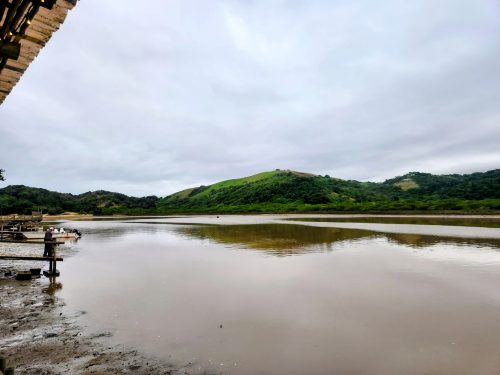
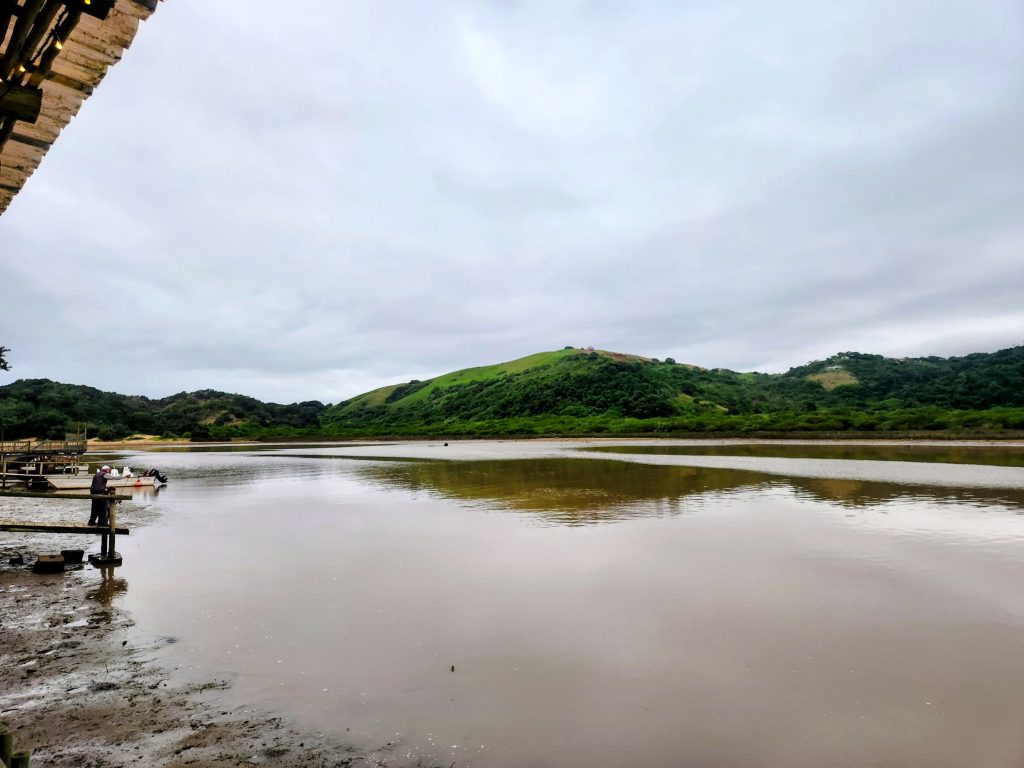
The Wild Coast is one place that doesn’t lend itself well to rushing. It’s rural, with green hills that roll towards the Indian Ocean, and travelling here, the familiar conveniences of urban life fade away. There are no major attractions, no shopping malls, and not really even any restaurants begging for dinner reservations. The roads are winding, often rough and slow-going, thanks in large part to the free-roaming goats, donkeys and cows. What there is, however, are beaches, rivers, and family-run hotels that have been around since my parents were holidaying on this stretch of sand as knee-high troublemakers.
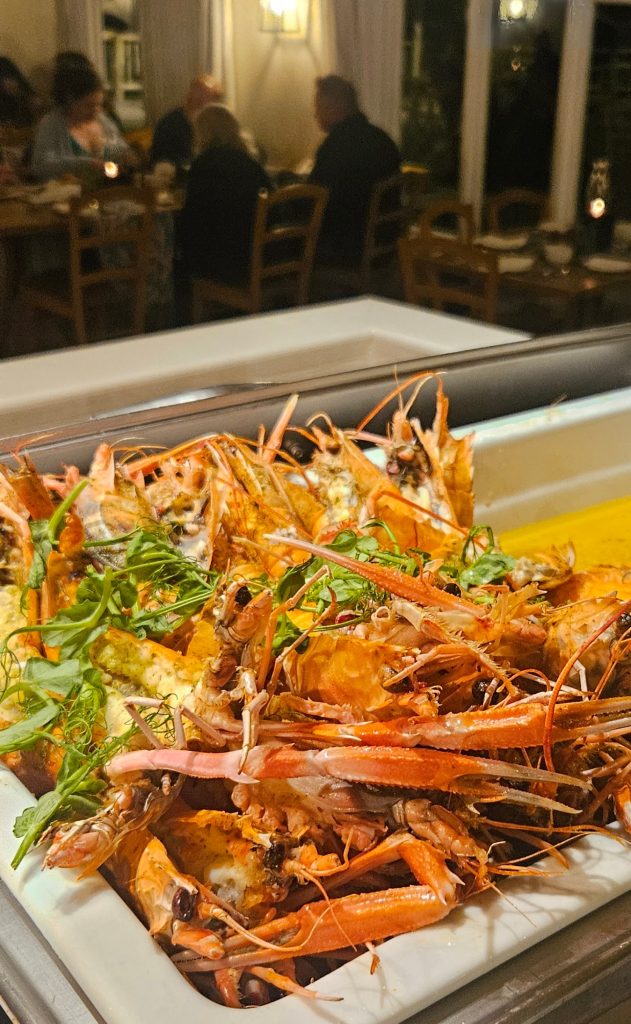
I recently visited the Wild Coast to see why it makes such an appealing holiday destination in today’s world, making myself comfortable at Umngazi Hotel & Spa. You could spend a week at Umngazi and still find yourself looking forward to the same things on your next stay: the river cruise, the Saturday seafood evening, the beach, and the afternoon tea just a few of the things I’m already looking forward to enjoying again one day.
But honestly, having returned to my daily routine, what I really miss are the simplest things. Drinking my morning coffee without also answering emails, eating a leisurely lunch with my family, not one wolfed down at my desk between meetings, and spending the evening chatting to my husband with a drink while the kids watched a movie with friends, rather than catching up on personal admin.
Food is one of the great pleasures of travelling, but it can also be one of the most time-consuming parts of a holiday. Researching restaurants, deciding where to eat, making reservations, finding somewhere suitable for children and negotiating the differences in dietary requirements and preferences can take up a surprising amount of time.
Umngazi removes much of that decision-making. The inclusive rates mean that breakfast, mid-morning tea, lunch, afternoon tea and dinner are all taken care of, meaning you don’t have to spend precious holiday time wondering where the next meal is coming from. And alongside the hotel’s main dining room and outside deck overlooking the swimming pool and river, there is a separate children’s dining room. Here, kids can eat early in a brightly coloured room with their friends, making it particularly useful for families.
A family holiday that doesn’t feel like work
The idea of doing less is particularly appealing for me, as my holidays typically involve travelling with children. Anyone who has taken young children away knows there are countless bags to pack, snacks to organise, nap schedules to consider, clothes to change, sunscreen to reapply, and an endless supply of questions about what is happening next.
And somewhere along the way, family travel acquired the idea that a successful holiday must be packed with activities. Children need entertainment, parents need time to themselves, and every day should offer a fresh experience. There is a whole industry built around making sure that nobody, particularly a child, is ever bored.
But children are surprisingly good at finding things to do when we give them the space. At Umngazi, the surrounding area provides a fairly impressive natural playground. There are sand dunes to climb, rock pools to investigate, a river to explore, and an enormous beach. Children can go sandboarding, collect shells, find tiny creatures in the shallows, or simply try to dig the biggest hole in the world.
The river cruise is another one of those experiences that doesn’t demand much. There is the possibility of spotting a resident African fish eagle, and snacks and pre-ordered drinks can accompany the journey. That said, there are more energetic ways to explore, of course. Kayaking and stand-up paddleboarding offer a different perspective on the river, while different guided walks are available each day.
One of my favourites was the hike to the Mngazana mangrove forest, one of the remaining relatively pristine mangrove forests on the South African coastline, home to red, white and black mangrove species. A guided excursion here combines a kayak journey through the forest with a walk along the beach.
The important thing is that none of these experiences is compulsory. You can book the mangrove excursion on one day, spend the next doing absolutely nothing and still feel that you’ve had a worthwhile stay. Perhaps this is what a genuinely good holiday destination should offer: enough to keep you interested, but not so much that you feel obliged to participate in everything.
But what about couples?
The wellness travel industry has become rather good at convincing us that relaxation requires a programme. There are retreats offering carefully constructed schedules of yoga, meditation, breathwork, cold-water immersion, sound baths and nutritional workshops. Some are wonderful, but there is an irony in having to get up at 6am to attend a class designed to help you relax. Plus, not everyone wants to spend their holiday working on themselves. I know I don’t.
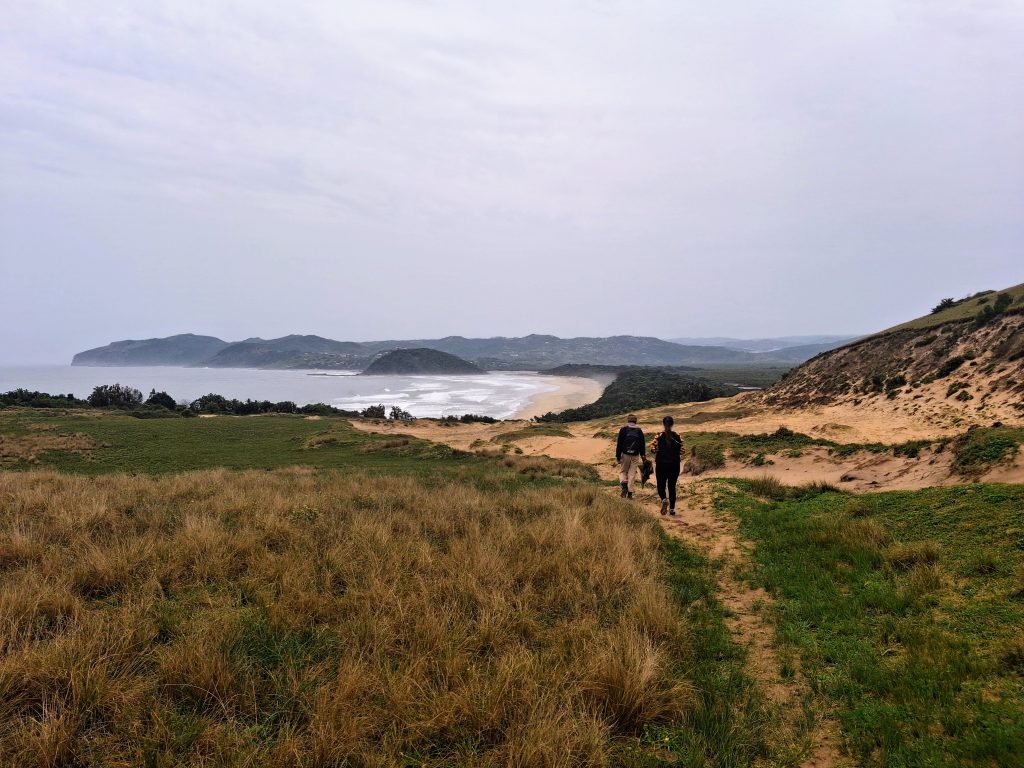
At Umngazi there is a spa for those who would like a treatment, a gym for those who prefer to keep moving, and as mentioned, plenty of opportunities for walking and hiking. There are guided bird walks, hikes along the coastline, those mangrove excursions, village visits, and opportunities to explore the river. The Sugar Loaf hike, for example, follows the hillside alongside the Indian Ocean and passes the area where the Horizon ship sank in 1967. The Cwebeni Village hike offers an opportunity to learn more about local Pondo culture, while bird walks provide a gentle exploration of a nearby indigenous forest. I’d encourage anyone staying for several days to try at least one or two, but if all you manage is to spend an hour on a lounger with a book, that is perfectly acceptable too.
That’s because the Wild Coast offers a different, uncomplicated approach to wellbeing. One that revolves around sleeping a little later, eating properly, spending time outside, moving your body because you feel like it, and having an afternoon without anywhere to be. Wellness here is about finding an environment where you can turn down the volume on everyday life. The sound of waves, birdsong, and a river moving past offer a welcome alternative to the constant demands of phones, traffic, and notifications.
Rest and relaxation in 2027
Perhaps this is the lesson of 2026. We have become very accomplished at planning holidays, researching destinations, comparing experiences and finding ways to make every trip count. We have become less accomplished, perhaps, at simply being on holiday. Time is not an unlimited resource. But we cannot manufacture more of it by cramming additional experiences into the hours available. Nor does the value of a holiday necessarily increase with the number of activities completed or memories made. Sometimes, the best thing a destination can offer is permission to stop. And to relax.
If this idea sounds appealing to you and your 2027 travel plans involve a little more sleep, longer lunches, and fewer decisions, South Africa’s Wild Coast is a rather good place to start.