
By Sean Granger, General Manager at Granny Mouse Country House & Spa
Ask a diner today where their food came from and, increasingly, they may actually want to know. In fact, 59.5% of South African diners say locally sourced ingredients are important when choosing where to eat, according to the Eat Out Yoco Restaurant Experience Survey.
That puts sustainability and ethical food sourcing firmly on the menu, and not just as a nice-to-have for a handful of niche restaurants.
At its heart, the shift is about shortening the distance between farm and plate, both literally and in terms of trust. A kitchen that can name the farmer who grew the greens, the beekeeper who supplied the honey, or the smallholder who reared the free-range chickens offers something a long anonymous supply chain can’t: a real sense of where your food comes from. Guests are increasingly willing to pay for that accountability.
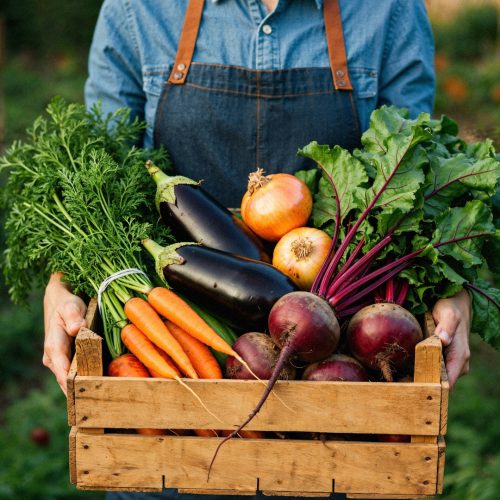
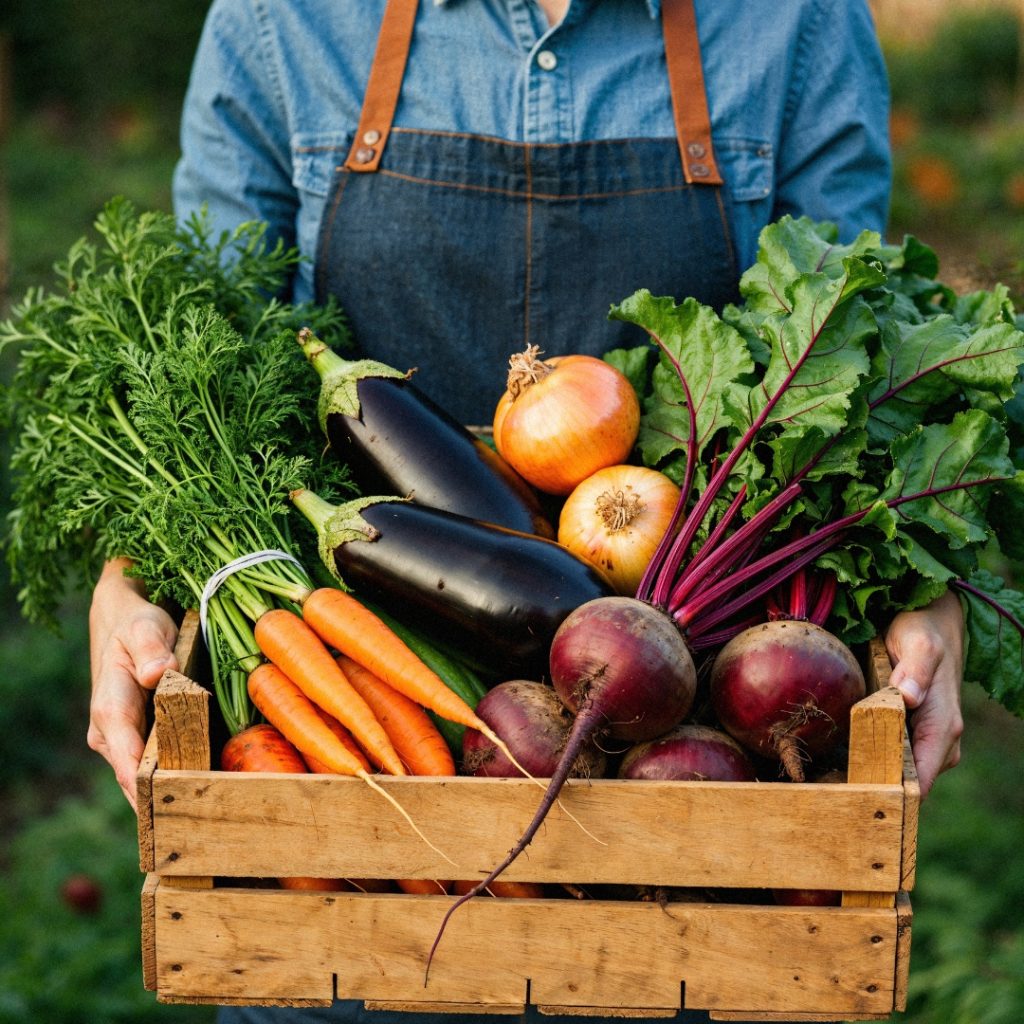
This also has practical consequences for how menus are built. Rather than designing a fixed, year-round menu and sourcing ingredients from wherever is cheapest or easiest, ethically minded kitchens are working backwards from what is seasonally and locally available. In the KwaZulu-Natal Midlands, for example, spring brings new-season vegetables, fresh herbs, and early fruit – ingredients that can shape a menu around what nearby farms are harvesting.
For chefs working this way can also be a creative advantage. In my experience, a smaller, seasonal ingredient means chefs making the most of what is available, rather than relying on novelty or imported ingredients to impress.
Ethical sourcing extends well beyond produce. Meat and dairy from farms with responsible animal-welfare practices, sustainably caught or farmed seafood, and fair-trade staples such as coffee and chocolate have all become points of the bigger conversation. So too has the question of waste.
With South Africa discarding an estimated 10 million tonnes of food a year – according to a study by the CSIR – reducing waste has become more than an environmental talking point. Root-to-stem cooking, whole-animal butchery, and kitchens that treat off-cuts and trim as ingredients rather than rubbish are reducing the amount that ends up in landfill.
Packaging and service details matter too, even if they are less visible to diners. Reusable delivery crates in place of single-use trays, glass and ceramic replacing plastic wherever possible, and suppliers chosen partly on the basis of how they transport goods, not just what they grow, all contribute to a kitchen’s overall footprint. None of these choices are particularly glamorous on their own, but together they signal a kitchen that has thought carefully about its impact at every stage.
Perhaps most importantly, sustainable dining is increasingly being sold on flavour rather than guilt. A tomato picked ripe from a nearby farm that morning simply tastes better than one bred for shelf life and shipped long distances. The ethical choice can also be the delicious one.
That is where properties with strong relationships with local producers have an advantage. At Granny Mouse Country House & Spa, set in the Caversham Valley of the KwaZulu-Natal Midlands the kitchen’s proximity to local farms and producers allows our menus to be shaped around what the region is genuinely producing at any given time of year. Supporting the local producers is also something close to the hearts of the culinary team behind the food.
As guests grow more attentive to where their food comes from and how it reaches their plate, ethical sourcing is becoming part of the dining experience itself, not just something printed at the bottom of a menu.
For more articles like this click here.
If you enjoyed this website then check out our other sites: Wedding and Function, Kids Connection, Thirsty Traveler, Boat Trips for Africa, Bargain Buys, Business Link.
Need help with your online marketing then visit Agency One.