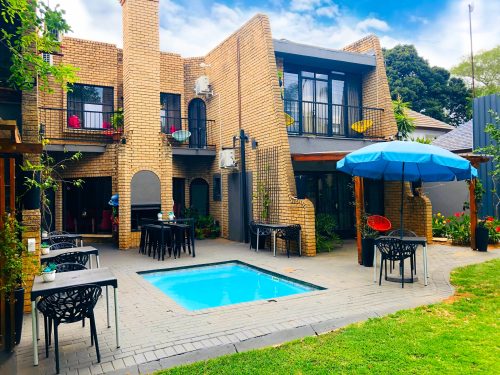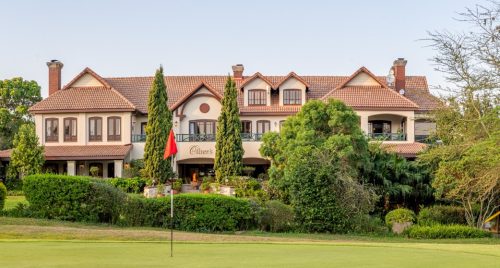

Changing lifestyles, rising energy costs, climate pressures, and a renewed appreciation for comfort and craftsmanship are reshaping what homeowners want – and what architects are designing.
“Architecture in 2026 is being shaped less by spectacle and more by intention,” says Cobus Odendaal, CEO of Lew Geffen Sotheby’s International Realty in Johannesburg and Randburg.
“After years of dramatic forms and statement features, the focus is shifting toward buildings that respond intelligently to how people actually live, work and cope with an increasingly unpredictable world. From energy instability to changing family structures, architecture is becoming quieter, more adaptive, and far more purposeful.
“Gone are the days when trends were dictated purely by aesthetics; today’s most influential ideas blend sustainability, technology, flexibility and cultural authenticity and the top architectural trends for 2026 reflect this shift. They are not about chasing novelty or copying global aesthetics, but about designing spaces that perform better over time — emotionally, environmentally, and practically.”
Odendaal shares five trends set to define South African homes in 2026, as well as five once-popular design elements that are rapidly losing their appeal.
1. Smart, Adaptive and Technology-Integrated Homes
2026 is shaping up to be a milestone year for “smart homes.” Architects and developers are increasingly embedding sensors, Internet-of-Things (IoT) infrastructure, and AI-driven automation into homes from the outset. These systems can monitor and control lighting, temperature, ventilation, and energy usage and even anticipate maintenance needs before problems emerge.
For South African homeowners, this translates into greater convenience and long-term savings: imagine your home automatically lowering blinds when the mid-day heat hits, adjusting cooling to off-peak hours or alerting you to a water leak before it becomes serious.
If you’re building new or renovating, consider integrating smart climate control, adaptive shading, solar with battery systems or energy-monitoring panels — investments that not only boost the saleability of your home in the future, but can reduce reliance on municipal electricity, a huge advantage in a country still grappling with power outages and rising energy costs.
2. Sustainability, Circular Design and Net-Zero Architecture
Sustainability is no longer optional; it’s becoming foundational in the future of architecture. Homes are being designed for energy efficiency, minimal environmental impact and long-term resilience. That means using eco-friendly materials (reclaimed timber, recycled composites, low-VOC finishes), integrating renewable energy (solar, geothermal, efficient passive ventilation), and embracing circular design principles (modular components, easily replaceable parts, low-waste construction).
In the South African property market, this trend has extra urgency. With water scarcity, unreliable electricity supply and growing maintenance costs, sustainable and self-sufficient homes — equipped with rainwater harvesting, energy-efficient insulation, passive cooling, or rooftop solar — are increasingly sought after.
According to recent local reporting, homes with features like greywater recycling, boreholes, or sustainable systems tend to sell faster and often closer to asking price.
For homeowners, even small changes — switching to low-impact materials, improving insulation, installing solar panels or water-harvesting systems — can deliver long-term savings and increase resale value.
3. Biophilic and Nature-Integrated Design
In recent years we’ve witnessed a growing convergence between architecture and nature and “biophilic design” — which uses natural light, green spaces, indoor plants, water features, and natural materials — is now central for both aesthetic and wellness reasons.
Green walls, courtyards, large windows, natural ventilation and indoor gardens are all part of the new architectural vocabulary.
For South Africans, the appeal is clear: a home that breathes, connects to the outdoors and brings nature in — whether in leafy suburbs or arid interior regions. This design approach can improve indoor air quality, reduce reliance on artificial lighting or air-conditioning, and provide a calming, restorative environment.
If renovating, decorating or planning a new build, consider adding indoor plants, maximising natural light, creating courtyards or green spaces, or using natural materials like wood, stone or clay to soften interiors. Biophilic design is increasingly being seen not just as a luxury feature, but as a cornerstone of healthy, future-proof living.
4. Sculptural and Organic Forms — Soft Lines, Flow, and Human-Centred Shape
Architecture in 2026 is moving away from rigid geometry and boxy forms. Instead, there is a strong gravitation toward softer, more organic shapes: curved walls, rounded corners, arched doorways, circular windows, fluid ceilings — designs that emphasise flow, comfort and human scale.
For homeowners, this trend offers a chance to break the monotony of traditional rectangular rooms. Think of elegant arched entryways, gently curving kitchen islands or rounded built-in benches. These elements make spaces feel more inviting, more natural — and often age better, too. In a South African context, where many homes integrate indoor-outdoor living and open-air courtyards, organic forms can help soften transitions and blend architecture with garden or patio spaces harmoniously.
5. Flexible, Modular & Multi-Use Spaces — Homes That Adapt Over Time
With lifestyle changes, remote work, shifting economic circumstances and evolving family structures, flexibility is king and architecture is increasingly embracing modular design, multifunctional rooms, convertible furniture and layouts that can adapt over time.
For instance, a spare room can become an office, a guest bedroom or a hobby space; open-plan living can be reconfigured via sliding partitions or modular furniture.
For South African homeowners, especially those in smaller houses or apartments, or those needing extra versatility, this trend offers a lot of value. It maximises usable space, reduces wasted square metres and ensures your home evolves with your life. As living costs rise, making smart use of space becomes not just sensible, but essential.
Why These Trends Matter in 2026
· Resilience in uncertain times: With energy and water supply often unpredictable, homes built for sustainability and self-sufficiency (solar, rainwater harvesting, passive cooling) offer peace of mind and lower running costs.
· Well-being & lifestyle alignment: Biophilic design, natural materials and human-centred architecture promote calmness, health, and better living — especially important post-pandemic and in fast-paced environments.
· Flexibility for changing needs: As remote work, multigenerational living and economic pressures continue, adaptable homes offer long-term value and reduce the need for future costly renovations.
· Increased resale and investment value: Green, smart and flexible homes are becoming more desirable in the property market, appealing to the fast-growing number of buyers who value long-term savings and sustainability.
- Aesthetic and emotional resonance: Organic forms, natural materials and character-rich design move away from generic aesthetics, giving homes personality and identity.
Architectural Trends That Are Declining — And Why
Just as some ideas are rising, others are fading out in 2026.
1. Overly Sterile Minimalism and Cold, Impersonal Interiors
Minimalism once reigned supreme — white walls, clean lines, sleek surfaces. But in 2026, more homeowners and designers are viewing such spaces as cold and impersonal. Instead, there’s a shift toward warmer, more textured, character-rich interiors that feel lived-in.
Why it’s declining: Minimalism often sacrifices comfort and personality and, as people spend more time at home, comfort, warmth and individuality are more desirable than pristine minimalism.
2. Single-Purpose, Fixed Layout Homes (Rigid Floor Plans)
The traditional house layout with rigid room definitions (living room, dining room, spare bedroom, etc.) is falling out of favour with buyers and homeowners increasingly preferring adaptability and putting pressure on homes that are fixed in design or function.
Why it’s declining: Changing family dynamics, remote work, space constraints and lifestyle shifts demand homes that can morph and adapt. Rigid layouts feel outdated and limit a home’s long-term usefulness.
3. Heavy Reliance on Artificial Climate Control (Over-Airconditioning and Mechanical Heating)
In a world moving toward sustainability and rising energy costs, homes that rely heavily on air-conditioning, central heating or artificial ventilation are being viewed as inefficient and environmentally unfriendly.
Why it’s declining: Rising electricity tariffs and environmental awareness are pushing homeowners toward passive design, ventilation, thermal insulation — and away from energy-intensive HVAC systems.
4. Glossy, Mass-Produced, Disposable Finishes and Fast Furniture
Cheap, mass-produced fittings and furniture — think shiny surfaces, flat-pack units, disposable design — are increasingly falling out of favour. Instead, there’s a move toward handcrafted, durable, locally made and environment-conscious designs.
Why it’s declining: People now value longevity, sustainability and uniqueness over disposable convenience. Locally made or artisan-crafted furniture and finishes offer more character, durability and environmental integrity.
5. Design Fads Driven by Social Media — “Showhome” Aesthetic Over Personality
Instagram-ready show homes, ultra-trendy décor kits and design fads often prioritise looks over comfort, functionality or sustainability and a growing number of homeowners are rejecting that in favour of spaces that suit their real life, culture and long-term needs.
Why it’s declining: social-media driven design often lacks staying power, authenticity or practicality. As homeowners grow savvier, they prioritise homes that reflect their lifestyle and values, not just aesthetic trends which are often short-lived.
What This Means for the South African Property Market
“For South African homeowners, investors and developers, 2026 is a turning point. Demand is increasing for homes that are not only beautiful, but smart, sustainable, flexible and built to last,” says Odendaal.
“Buyers are paying more attention to energy efficiency, environmental features, and adaptability and green homes with solar and water-wise systems are attracting premium valuations. Homes with indoor-outdoor flow, natural ventilation, and biophilic design are becoming more desirable in a climate- and resource-conscious market.”
He adds that if you’re building, renovating or investing right now, incorporating the top trends makes good financial and lifestyle sense. And avoiding the declining, short-lived fads helps ensure your property remains relevant, valuable, and appreciated for years to come.
“For South African homeowners, embracing the new feels like common sense: more comfort, lower utility bills, smarter use of space — and a property investment that’s ready for tomorrow.”
For more articles like this click here.
If you enjoyed this website then check out our other sites: Wedding and Function, Kids Connection, Thirsty Traveler, Boat Trips for Africa, Bargain Buys, Business Link.
Need help with your online marketing then visit Agency One.