
As the global travel sector looks toward 2026, a significant psychological shift is reshaping consumer behaviour. The post-pandemic “revenge travel” frenzy has subsided, replaced by a more mature, thoughtful – though just as unique – paradigm. Travel is no longer merely about movement; it is about meaning. For South Africa, a destination defined by its profound connection to nature, heritage and emerging modernity, this shift presents a strategic opportunity.
In 2026, the travel landscape will be defined by a yearning for the deep, slow and connection. We are entering an era where luxury is measured not by opulence, but by the rarity of the experience and the depth of the disconnection from the daily grind.
The joy of the familiar
Consumers are seeking emotional anchors, giving rise to Nostalgic Travel – a return to the “tried and true”. Global experts note a longing for simpler times, driving a resurgence in legacy destinations. Guests are returning to properties they visited as children or on honeymoon, seeking the comfort of the familiar.
Longer stays
Time has become the ultimate currency. In response to overscheduled lives, travellers are increasingly rejecting “blitz” tourism in favour of longer stays. This trend is characterised by longer stay durations, allowing for a genuine immersion into the destination’s rhythm rather than a frantic checklist of sights.
Industry data confirms a notable increase in average trip length. Travellers are prioritising the luxury of slowing down, settling in, and allowing the destination to reveal itself over time.
Disconnecting to reconnect
Distinct from simply staying longer is the active pursuit of digital disconnection. As connectivity becomes ubiquitous, the ability to switch off is becoming a premium offering. At the heart of the shift is a yearning for meaningful experiences – journeys that reconnect us with our past, our community, and ourselves.
In South Africa, few places deliver a holistic, human-centred travel experience quite like the iconic Kruger National Park. Here, the immersive nature of a safari – watching a sunrise or observing animals at a watering hole – commands a presence of mind that makes digital detachment effortless.
The rise of nature immersion
Nature bathing (Shinrin-yoku) is evolving from a niche activity into a core pillar of wellness tourism for 2026 and beyond, with travellers seeking ways to reconnect with the natural world. Predictions show a surge in interest for outdoor-focused trips as people look for restorative, meaningful experiences. Nature immersion, backed by science for its ability to reduce stress and improve mental health, aligns with this shift toward wellness-centric travel.
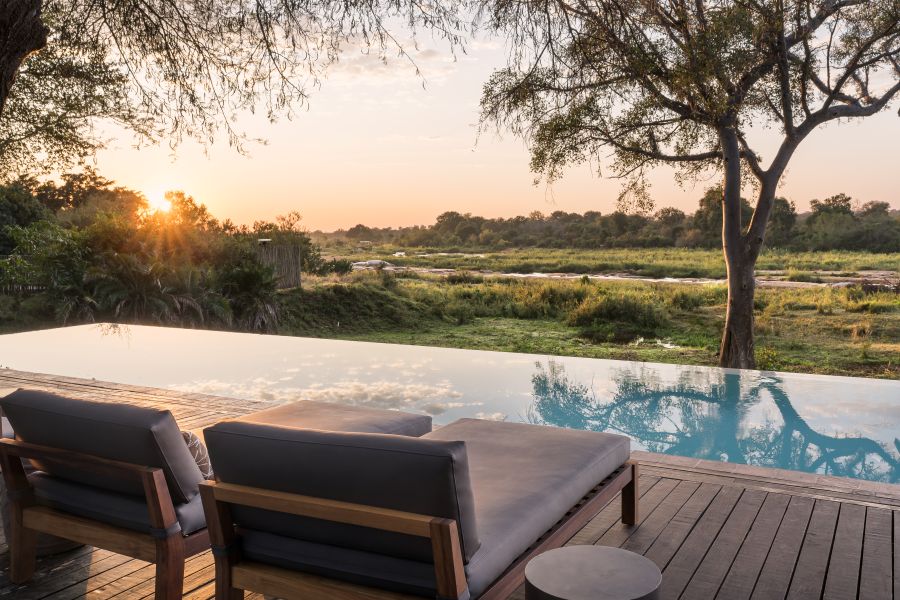
At Kruger Gate Hotel, perched on the Sabie River’s edge just minutes from Paul Kruger Gate, this trend finds its perfect canvas in the Greater Kruger Conservancy’s untamed expanse, where the hotel’s riverside decks tease glimpses of the park just beyond, offering serenity without leaving your lounge chair.
Multigenerational adventures
Multigenerational travel is booming, driven by a “gathering” ethos. Families are geographically dispersed and time-poor; consequently, the annual holiday serves as the ideal opportunity for family bonding. This is not just about bringing the kids along – it’s about “skip-gen” trips (grandparents and grandchildren) and extended clan gatherings.
The data supports this; adventure travel companies report 35% annual growth in this sector. The 2026 focus is on “epic” shared experiences – educational safaris, cultural deep-dives, and “inheritourism” (tracing family roots). Adapted properties offer modular itineraries that cater to diverse mobility levels and interests, ensuring grandfather and teenager both find value in the shared journey.
The personalised “Era of YOU”
In 2026, the “era of YOU” is redefining travel with stays apparently manifestly for a single soul rather than a segment.
“Guests increasingly expect a stay that speaks to their needs and preferences – a generic approach doesn’t cut it,” says Miguel Farinha, Hotel Manager at Kruger Gate Hotel. “We see a growing preference among travellers for a space that offers a tangible connection to the destination. We’re about a minute’s drive from Kruger National Park, which means guests choose the property in order to explore the park. We want the hotel to seamlessly blend in with the feeling and aesthetics of the surroundings, with intentionality.”
Guests at the hotel also experience game drives that adapt to real-time whims and weather. Imagine a family of four opting for a private morning game drive in an open-air vehicle, where the guide veers off the beaten track based on chatter about a child’s fascination with giraffes, leading to a hushed encounter with a crash grazing at dawn’s first light – with a packed breakfast of biltong and yogurt savoured at a secluded hide.
Regenerative impact and community integration
Finally, sustainability has evolved into Regenerative Tourism. The 2026 traveller is ethically astute, moving beyond “leaving only footprints” to actively “leaving it better”.
There is a demand for tangible community impact, and greenwashing no longer cuts it. Travelers want proof of the “multiplier effect” of their tourism spend. Kruger Gate Hotel’s partnership with the Siyazisiza Trust, which creates a direct supply chain for local smallholder farmers evidenced this; by sourcing fresh produce from communities, the hotel boosts local food security and reduces carbon footprints. This integration of community empowerment into the guest experience is the future of responsible travel – turning a holiday into a vehicle for empowerment.
The 2026 traveller is discerning, purpose-driven, and seeking depth. They are moving away from superficial consumption toward meaningful engagement – with nature, their families, and the communities they visit. For South African tourism, the path forward lies in embracing these shifts, offering products that are not just places to stay, but spaces to reset, reconnect, and regenerate.
“Our prime location near Kruger National Park draws guests eager to explore its wild expanses., which is why we have designed the hotel to harmoniously integrate with the local ambiance and aesthetics – deliberately and thoughtfully,” Farinha says.
For more articles like this click here.
If you enjoyed this website then check out our other sites: Wedding and Function, Kids Connection, Thirsty Traveler, Boat Trips for Africa, Bargain Buys, Business Link.
Need help with your online marketing then visit Agency One.