
As environmental pressures continue to reshape urban and residential landscapes, biodiversity is becoming an increasingly important part of sustainable living. While conservation is often associated with protected reserves and large-scale environmental initiatives, some of the most meaningful ecological contributions can begin much closer to home in our own gardens.
In this thought leadership piece, Simbithi Environmental Manager Ayanda Duma shares insights into how homeowners can create biodiverse outdoor spaces that not only enhance the beauty of their properties but also support local ecosystems, conserve resources, and contribute to long-term environmental resilience.
Biodiversity within residential gardens is no longer simply an environmental trend but an essential component of creating healthier, more balanced living environments. Across many urban areas, natural habitats are under increasing pressure due to development, invasive plant species, and changing climate conditions. Gardens therefore have an important role to play in restoring ecological balance and supporting indigenous wildlife.
Planting with Purpose
One of the most effective ways homeowners can encourage biodiversity is through indigenous planting. Indigenous plants are naturally adapted to local climate conditions, making them more resilient, water-wise, and beneficial to local ecosystems than many exotic species.
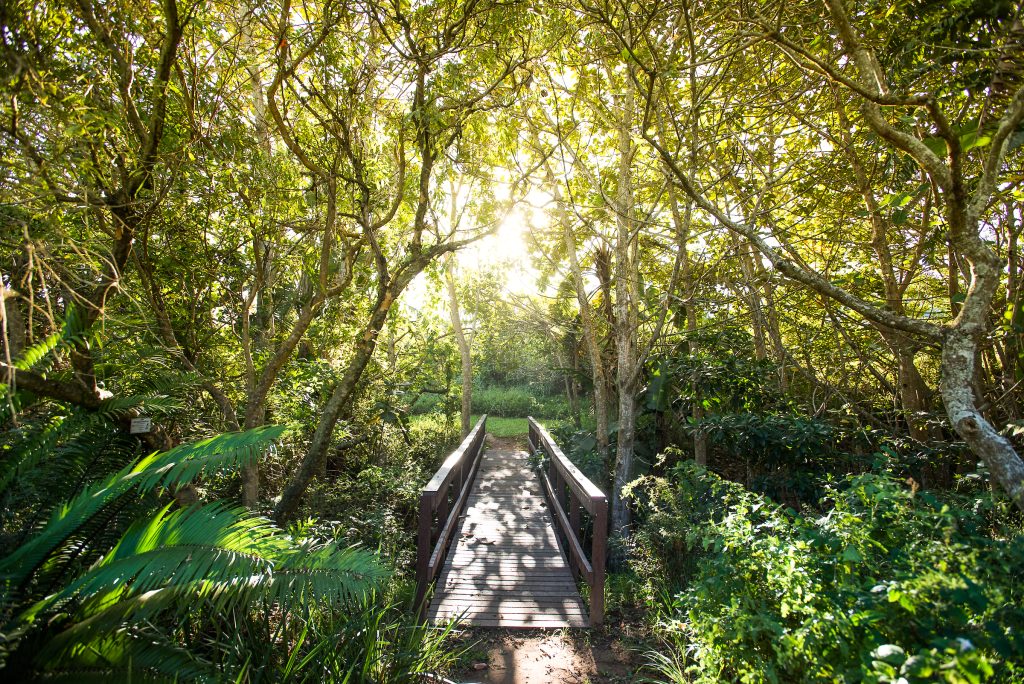
At Simbithi Eco-Estate, environmental considerations are approached with the understanding that landscaping and conservation should work together rather than in opposition. This same principle applies within residential gardens. Indigenous trees, shrubs, grasses, and flowering plants naturally attract birds, butterflies, bees, and beneficial insects, all of which contribute to pollination and healthier ecosystems.
Beyond their environmental value, indigenous gardens generally require less maintenance and irrigation, making them a more sustainable long-term solution for homeowners.
Working With Natural Systems
Maintaining biodiversity also requires a shift in the way gardens are traditionally managed. Highly manicured spaces are increasingly giving way to more natural landscaping approaches that prioritise ecological balance over perfection.
Allowing sections of gardens to remain slightly natural through layered planting, leaf litter, natural grasses, and groundcovers creates important habitats for insects and smaller organisms that contribute to healthy soil systems. Healthy soil, in turn, improves water retention, plant resilience, and overall garden sustainability.
Reducing the use of chemical pesticides and fertilisers is equally important. Excessive chemical use often disrupts the natural balance within gardens by affecting pollinators and beneficial microorganisms. Composting garden waste and using organic alternatives instead supports healthier ecosystems while reducing environmental impact.
Creating Gardens That Support Wildlife
Simple additions such as bird baths, shallow water features, and indigenous flowering plants can significantly improve biodiversity within even the smallest garden spaces. As urbanisation continues to reduce natural habitats, residential gardens are becoming increasingly important refuges for birds, insects, and pollinators.
At Simbithi, environmentally sensitive areas are carefully managed and protected to preserve ecological systems, an approach that reinforces the importance of creating spaces where nature is able to thrive. The same philosophy can be applied at home by creating gardens that support life rather than simply serve decorative purposes.
Small Actions, Long-Term Impact
Environmental sustainability is often built through small, consistent decisions made over time. Homeowners do not need expansive landscapes to contribute meaningfully to biodiversity conservation. Even compact gardens, balconies, and courtyards can positively support local ecosystems when planted and maintained thoughtfully.
As sustainability becomes an increasingly important consideration in modern living, biodiverse gardens are emerging as a practical and accessible way for individuals to contribute to environmental conservation while creating healthier, more resilient outdoor spaces.
Ultimately, maintaining biodiversity is not about achieving a perfectly curated garden, but about creating balance between people, plants, and the natural systems that sustain them. Through intentional gardening practices and environmentally conscious choices, homeowners have the opportunity to transform their gardens into spaces that benefit both the environment and future generations.
For more articles like this click here.
If you enjoyed this website then check out our other sites: Wedding and Function, Kids Connection, Thirsty Traveler, Boat Trips for Africa, Bargain Buys, Business Link.
Need help with your online marketing then visit Agency One.