
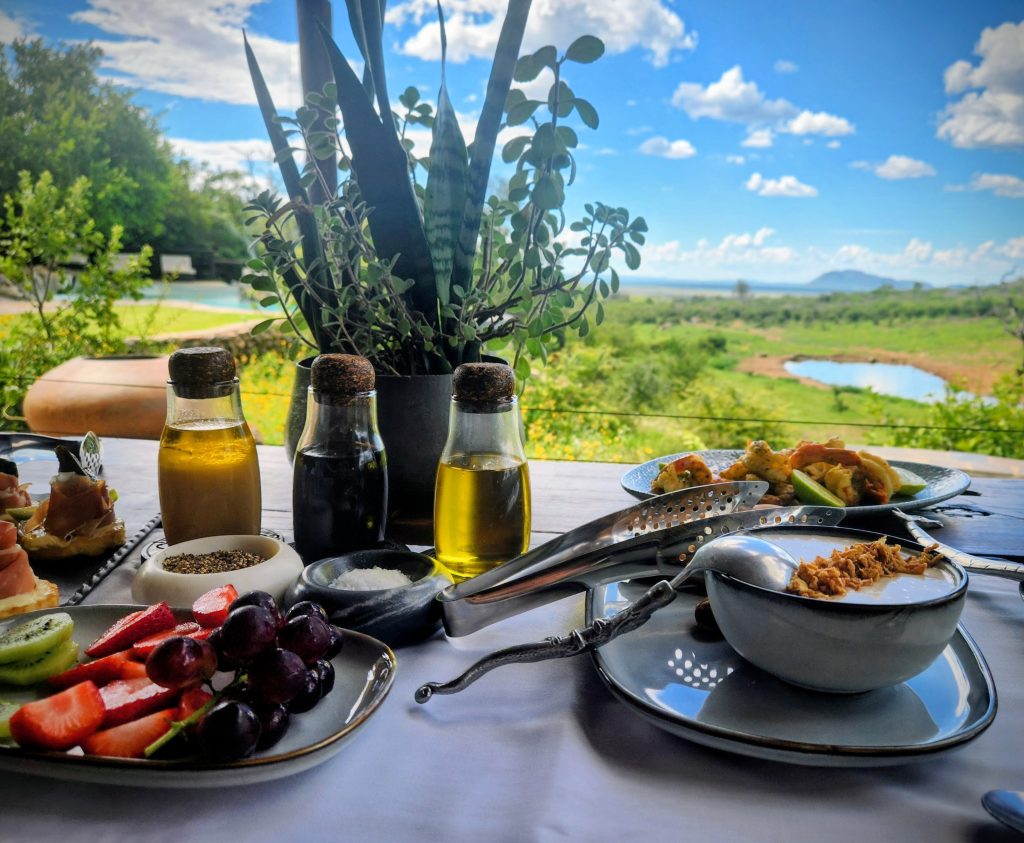
The elephants arrived without ceremony. No one pointed them out. No whispered announcement broke the moment. We were seated on the deck of our villa at Royal Madikwe. Lunch was laid out, just my husband and I enjoying a cold glass of chardonnay, our daughter splashing happily in the private plunge pool, when they came down to drink at the waterhole below. It was the kind of moment safari brochures promise, and yet what struck me most wasn’t just the elephants. The setting did not compete with the meal, it accompanied it. Perfectly.
Safari dining is almost always sold as a romance. Flickering lanterns. Star-filled skies. Elephants at a waterhole. The promise that everything tastes better in Africa. But for all the romance attached to dining in the bush, food on safari has rarely been the thing I remember most.
If you’re a foodie who prefers their meals to be not just for fuel but actual highlights of a trip, you may be disappointed on safari. As someone that’s grown up going on trips to the bush, I’ve learnt that safari meals can be just as forgettable as they are atmospheric. Think braai-style buffets. Breakfast spreads that have grown slightly cold while game drives took longer due to a fabulous wild dog sighting. Three-course menus where you chose an option that you didn’t really want but there was nothing else. Over-plated meals that resulted in uncomfortably bulging bellies but not much in the way of personalisation. Slow-cooked stews ladled from cast iron pots. Perfectly adequate, occasionally excellent, but often more about logistics than flavour.
I’ve eaten many meals like this. Often on tin plates labelled as authentic, with conversations drowned out by cicadas. I always ate too much and so my thought was the food was good, but was it really? Good maybe, certainly not mind-blowing. Definitely not one of the main reasons to return.
However, that belief shifted quietly, and completely, during our recent stay at Royal Madikwe. Not because the food tried to be showy or clever, but because it was given the same thought, privacy and intention as the game drives themselves.
Madikwe itself plays a quiet role in how dining unfolds. As a malaria-free reserve near the Botswana border, it feels removed from the better-trodden safari circuits. There’s a sense of space here, both physical and psychological, that immediately slows the pace. You feel it from the moment you arrive.
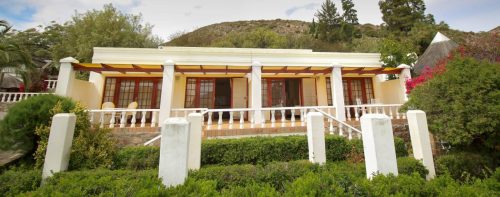
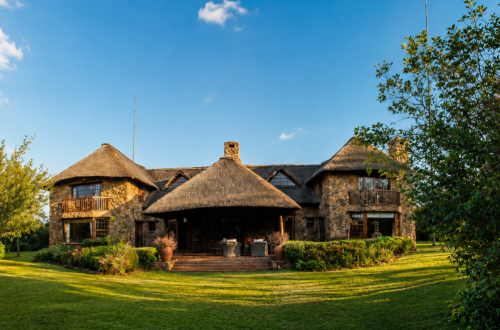
Getting to Royal Madikwe in time for lunch on the very first afternoon, I noticed how unhurried everything felt. There was no bell calling us to the dining area, no gentle pressure to finish up in time for the next game drive. Royal Madikwe is designed around this sense of ease. It’s built for privacy with self-contained villas with their own decks, plunge pools and uninterrupted views over a frequently visited waterhole. It’s a setup that works especially well for families or small groups, allowing days to unfold at your own pace as you get your own private vehicle with guide, and a staff compliment that will go out of their way to tailor their days to your desires. In fact, during our stay we were lucky enough to have the entire place to ourselves.
This flexibility and exclusivity means meals can be enjoyed in the main lodge or in-villa, actually anywhere on the property you feel like it, or perhaps even out in the bush. Unlike the traditional safari experience, your stay at Royal Madikwe flexes around you, not the other way around.
And mealtimes are just one of the many advantages of a more exclusive safari experience. When you’re not feeding dozens of people at once, dining can be personalised. Smaller kitchens can adapt. Chefs can respond to guests, to the weather, to the day’s sightings. Meals don’t have to be designed for mass appeal or pre-plated under pressure. They can be cooked properly and adapted if necessary.
Unfortunately, for travellers who like holidays planned around restaurants, markets and kitchens, the safari experience often is lacking in foodie appeal. There’s a particular idea of authenticity that clings to safari dining, Meat on fire. Generous portions. It’s comforting, communal and easy to execute at scale. And there is absolutely a place for it. I often remember the setting, the stories shared around the table, the stars overhead, the drums welcoming us in, but ask me a couple days or weeks down the line and I’ll struggle to recall what I actually ate. The buffet, braai, boma narrative leaves little room for the things that actually make food good. Plating. Texture. Seasoning. Meats cooked to personal preferences.
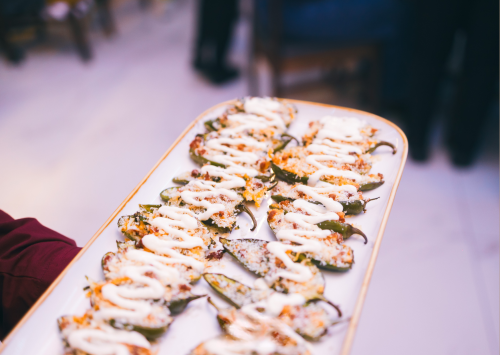
At Royal Madikwe the dishes were focused on balance and took into account the conditions. Meals were not buffets to be navigated, because let’s be fair, food tastes different when you’re not lining up for it. Warm days meant salads were a staple, offering a tasty assortment of meze and accompaniments. They were thoughtful but not fussy, generous without being heavy, and confident enough to let ingredients speak for themselves. And perfectly suited to the hot sunny days. One day we even stopped for salmon bagels under the shade of a tree while a giraffe looked on from a distance. Another day we asked for the prawns we had at lunch to be repeated for our dinner starter, as we had loved them so much. Because our meals weren’t constrained by game drive schedules, staff shifts and the sheer scale of operations we could easily be accommodated.
At more exclusive lodges those constraints can loosen. The result is not necessarily more extravagant food, but more considered food. Meals at Royal Madikwe felt elegant without being stiff, indulgent without being overworked. We finished each one feeling satisfied, not stuffed.
This flexibility is rare in safari settings, where the choreography of meals can feel fixed. Breakfast, drive, lunch, siesta, drive, dinner. Repeat. For travellers who love food, safaris often involve compromise. You accept that meals will be fine because the wildlife is extraordinary. You tell yourself that atmosphere compensates for flavour. But it doesn’t have to.
Choosing a more exclusive safari experience fundamentally changes the role food plays. Dining stops being an operational necessity and becomes part of the reason you’re there.
At Royal Madikwe, meals were not marketed as a highlight, which may be why they felt like one. There was no attempt to impress, only to care. And that care translated into meals I remember as clearly as the sightings. Weeks later, I can still recall specific dishes, textures, moments. Not just the elephants, though dining in their midst sure was special.
For those who travel with their appetites as alert as their binoculars, the message is simple: choose carefully. Where you stay shapes not just what you see, but the entire experience. Because the most memorable meal needn’t be eaten in a city, or a Michelin-starred dining room, or a famous restaurant. Sometimes, it’s eaten slowly, in the bush, with elephants as your companions.
For more articles like this click here.
If you enjoyed this website then check out our other sites: Wedding and Function, Kids Connection, Thirsty Traveler, Boat Trips for Africa, Bargain Buys, Business Link.
Need help with your online marketing then visit Agency One.